American Roulette Knockout Tournament: How The Bracket Plays Out
Australian punters chasing a fast, competitive take on roulette will want to see how the american roulette knockout tournament stacks up before committing. The format promises a bracket-style chase rather than a quiet session at the felt, but the real test is whether the signup path, first-deposit friction and bonus activation actually hold up under pressure.
Tournament Structure And First-Session Friction
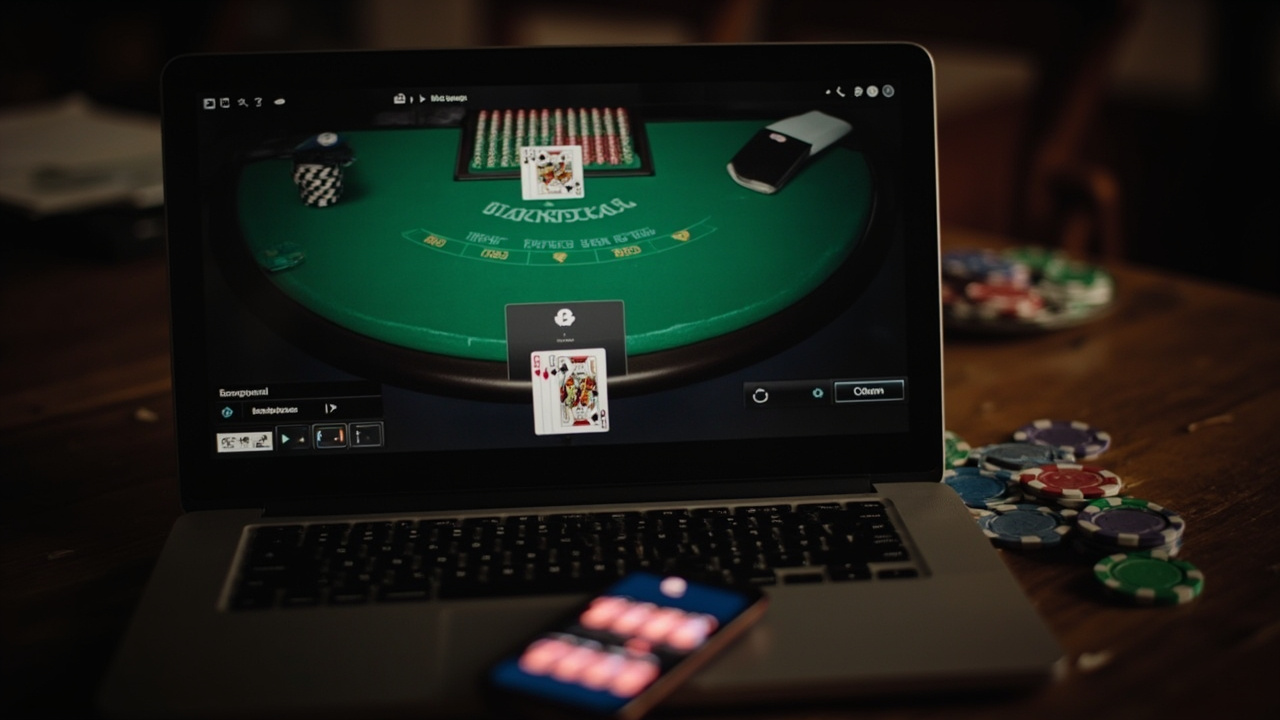
The american roulette knockout tournament runs on a timed-entry bracket where players feed a shared pool per round and the lowest stack gets eliminated until a winner takes the prize pool. The casino positions it as a social, high-energy alternative to standard tables, with round timers set around six minutes and a minimum buy-in that typically starts near $25 AUD. Behind the scenes, the game pulls from a curated roster of providers that supply the wheel interface, while the tournament engine tracks chip counts and elimination order in real time. For an Australian player, the first session starts with the usual signup fields: email, phone, date of birth and a postcode check that flags residency before anything else. Eligibility is straightforward on paper – you must be 18 or older and physically located in Australia – but the verification step is where the pace slows. Identity documents, a selfie match and sometimes a utility bill are requested before the first deposit clears, and the timer on your first bracket entry does not pause while that review runs. Bonuses do not auto-attach to tournament play; activation usually means entering a specific code at the cashier or opting in through the promotions tab, and the wagering terms on that bonus rarely count tournament eliminations toward clearance. That matters because a player who expects a bonus to cushion a rough opening round will find the tournament maths running on its own track. A trusted luckygreen review of the same operator noted that the verification queue can stretch across an arvo during busy periods, and that observation lines up with what I have seen on comparable platforms: the bracket waits for no one, so a delayed document check can cost you a round you intended to play.A Clearer Way To Explore The
Two Player-Fit Scenarios For The Bracket
The Casual Entrant Testing The Waters
A casual player who wants a structured, time-boxed way to try the wheel without committing a full session budget tends to land in the lower-tier brackets, where the buy-in stays modest and the elimination pressure is slower. The appeal here is predictable: a fixed entry, a visible prize pool and a clear exit point if the chips run thin. The friction is equally concrete. Tournament entries usually draw from real-money balance rather than bonus funds, so a player who has not sorted verification and a first deposit before the round timer starts will watch the door close. Support channels on these platforms are typically live-chat first, with email and phone as slower backups, and that setup works fine for simple balance questions but can leave a player waiting when a document request stalls. The mobile experience generally mirrors the desktop layout – same wheel, same bracket tracker, same entry button – though I have seen a few operators compress the elimination screen on smaller screens, which makes it harder to read stack positions at a glance. For a Brisbane punter logging on during a lunch break, that compressed view can turn a quick check-in into a squint-heavy exercise. The sensible play is to treat the lower bracket as a trial run: enter once, watch how the round timer and elimination order feel, and only then decide whether the pace suits a longer session.
The Competitive Entrant Chasing The Pool
A more serious entrant treats the bracket as a scoring game, not a spin-and-hope session, and that changes how the same features land. This player heapsowinssignup.com is tracking stack position relative to the median, timing entries to avoid the early chaos when casuals burn chips on straight-up bets, and planning exits before the final rounds where variance swings hardest. The tournament engine rewards discipline more than luck over a full bracket, but it does not soften the house edge on the underlying wheel, and that distinction gets blurred by marketing copy that frames eliminations as pure skill. Payment flows tend to be the same for both player types – AUD balances, card and e-wallet options, and withdrawal queues that run independently of tournament results – but the competitive entrant cares more about timing, because a pending withdrawal during a late-round push can leave a balance question unresolved. A Clearer Way To Explore The Gransino Casino Experience shows how operators layer loyalty points and weekly promos on top of tournament play, and that layering is worth watching: points usually accrue on base wagers, not on tournament entries, so a player chasing rewards has to separate the two tracks. Hannah King, iGaming Regulatory Consultant, Harbour Bet Insights, has cautioned that tournament-style products often sit in a grey area of player expectations, because the bracket language implies a competition while the underlying game still runs on fixed odds. Her point is not that the format is flawed, but that players should read the prize-pool mechanics and elimination rules as written, not as a promise of controlled outcomes.trusted luckygreen review
Matching The Tournament To Your Play Style
The american roulette knockout tournament fits a player who wants a defined entry, a visible bracket and a time limit that forces a decision, and it frustrates a player who expects bonus funds to carry them through verification delays or who wants a quiet, self-paced table. The registration path is standard for the sector – signup, identity check, first deposit, opt-in for any bonus – but the tournament timer does not bend around those steps, so the practical question is whether you can clear eligibility and fund the account before your first round. Payments in AUD keep the maths familiar, and the mobile layout is serviceable rather than exceptional, which is enough for a quick bracket check but not ideal if you plan to read stack positions closely on a phone. Loyalty points and weekly promos sit alongside the tournament without changing its core mechanics, so they are a side benefit rather than a reason to enter. Adam Lewis, Lead Gaming Analyst, Sunburnt Country Interactive, has noted that bracket products tend to over-index on excitement while under-explaining how elimination order interacts with bet sizing, and that gap matters for anyone treating the tournament as more than a novelty session.

The format is worth a careful first entry if you like structured competition and can clear verification before the timer starts, but it is not a workaround for the underlying odds or a substitute for a calm, flat-bet table session.