What Exactly Is a Global eSIM and How Does It Differ From a Physical SIM?
Stay Connected Anywhere with a Global eSIM
A global eSIM lets you switch carriers in over 200 countries without ever touching a physical SIM card, and one embedded chip can hold multiple active profiles simultaneously. It works by downloading a carrier’s profile directly to your device’s secure element, which you activate with a simple QR code or app scan, bypassing plastic, shipping, and store visits entirely. The real benefit is instant, borderless connectivity — you land, scan, and connect at local rates within minutes, often for a fraction of roaming costs. To use it, just check device compatibility, purchase a plan, and install the profile before departure, then toggle between numbers as easily as flipping a switch.
What Exactly Is a Global eSIM and How Does It Differ From a Physical SIM?
A global eSIM is a built-in digital chip that lets you download a carrier profile over Wi-Fi, giving you instant access to cellular networks in multiple countries without swapping physical cards. Unlike a physical SIM—a removable plastic card you insert into a tray—a global eSIM is soldered into your phone and stores several profiles at once, so you can switch between regional plans via your settings app. The key difference is convenience: you buy and activate a global eSIM online before you travel, and it connects to local towers automatically, whereas a physical SIM requires you to hunt down a store, negotiate, and carefully handle a fragile chip. No more losing a tiny card or fumbling with a paperclip. Q: Do I need to remove my regular SIM to use a global eSIM? A: No—you can keep both active simultaneously, using your home SIM for calls and the eSIM for data. Just check your phone’s eSIM compatibility first.
Understanding the Core Technology Behind a Digital SIM Card
At its core, a digital SIM replaces the physical plastic card with a secure element—either embedded in your device’s chipset or stored in software—that holds the same authentication credentials as a traditional New Zealand eSIM SIM. This secure element uses a standard called eUICC (embedded Universal Integrated Circuit Card), which allows you to remotely download and switch carrier profiles using a QR code or an app. The technology relies on asymmetric cryptography: your device stores a private key, while the carrier’s profile contains the matching public key, enabling mutual authentication during network registration. This eliminates the need to physically swap cards, as the remote SIM provisioning process safely writes and erases profiles over an encrypted connection.
- eUICC hardware isolates your credentials, making them resistant to physical tampering.
- Multiple profiles can be stored simultaneously, though only one is active for data at a time.
- Switching carriers requires only a new profile download, not a new chip.
Key Differences Between a Traditional Plastic SIM and an Embedded Chip
A traditional plastic SIM is a removable physical card that must be inserted into a tray, while an embedded chip (eSIM) is soldered directly onto a device’s motherboard. The most practical difference is that you cannot swap an eSIM between phones by hand; instead, you download a profile digitally. This makes switching carriers on a global eSIM a matter of scanning a QR code, not waiting for a delivery. A plastic SIM ties you to one carrier per card, whereas an eSIM holds multiple profiles, letting you switch without opening the device. Also, a plastic SIM occupies tray space and can be lost, while an eSIM is tamper-proof and leaves more room for other hardware.
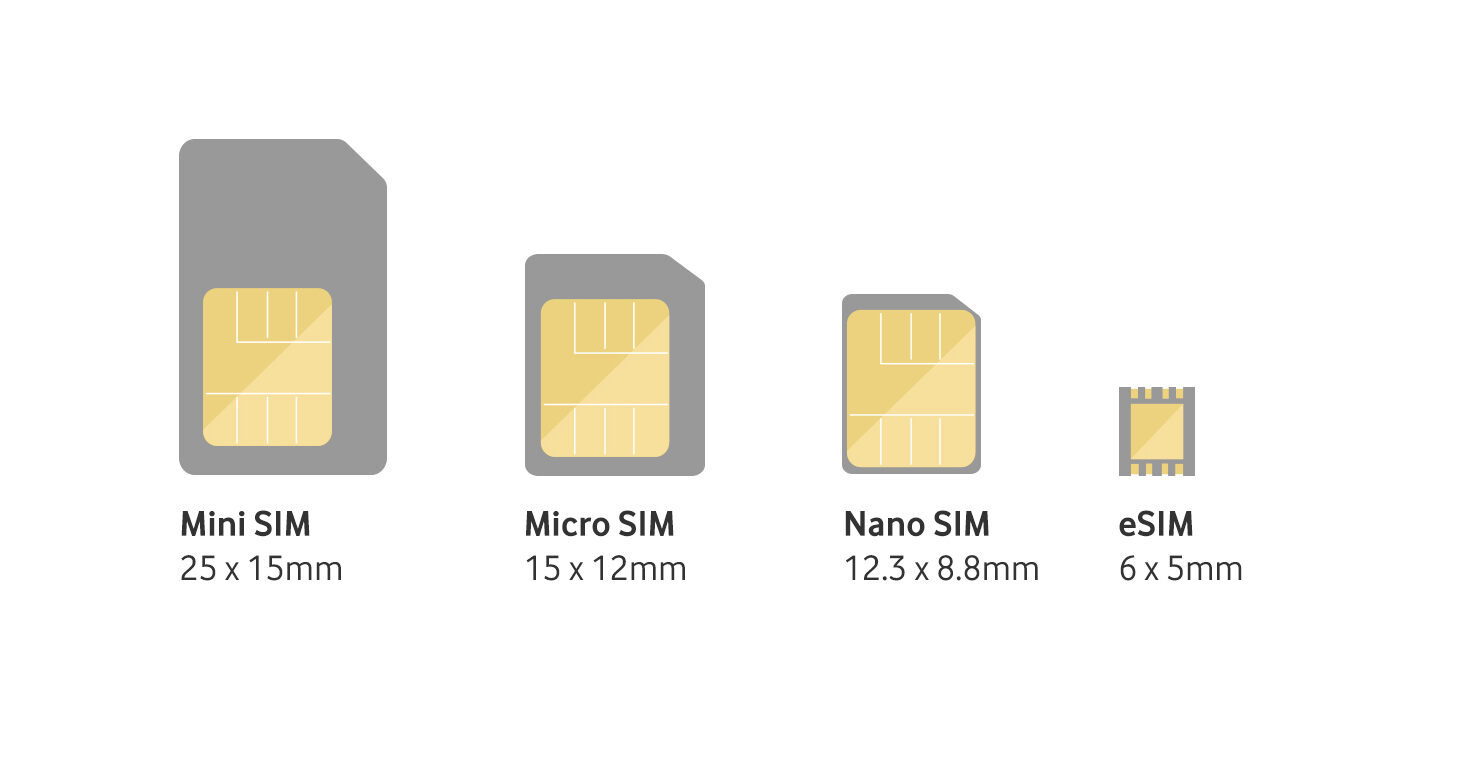
- Plastic SIMs require physical removal and reinsertion; eSIMs are reprogrammed via software.
- Plastic SIMs hold one carrier profile at a time; eSIMs store several for instant switching.
- Plastic SIMs are fragile and removable; eSIMs are fixed and cannot be accidentally ejected.
How Does a Worldwide Data Plan Actually Work When You Travel?
You land in Lisbon, and your phone silently pings—not with a roaming warning, but with a working connection. A worldwide eSIM plan works because it’s not one network, but a bundle of local profiles pre-negotiated across dozens of countries. Your device automatically selects the strongest regional carrier, swapping profiles as you cross borders, so there’s no manual setup. That single QR code you scanned at home becomes a keyring of virtual SIMs. **The data allowance is drawn from one shared pool, but each country’s connection is a separate handshake.** “Does my video call eat the same data in Tokyo as in Madrid?” Yes—the plan tracks total megabytes, not per-destination usage, so a heavy streaming day in Spain simply reduces what’s left for Japan. You pay one flat rate, and the eSIM’s logic handles the rest invisibly.
How Your Phone Connects to Local Networks Using a Single Digital Profile
Your phone connects to local networks using a single digital profile by treating that profile as a universal key, rather than juggling multiple physical SIMs. When you land, the single digital profile scans for available partner towers and automatically negotiates a temporary connection, authenticating your identity through encrypted credentials already stored on the device. This means your phone’s modem jumps between countries without manual reconfiguration—the profile simply re-registers with each new local carrier, appending a virtual local number to your existing identity. You retain your home number, data bundle, and settings, while the profile handles the technical handshake behind the scenes. The handoff is seamless because the profile reuses the same authentication framework, so your phone perceives each network as a familiar endpoint, not a foreign system.
- The profile auto-selects the strongest compatible local signal without user input.
- Encrypted credentials in the profile verify you instantly on each new network.
- Your existing number and data settings remain untouched during the switch.
- Handoffs occur in seconds as the profile re-syncs with local towers.
Understanding Data Pools, Coverage Zones, and Automatic Network Switching
A worldwide data plan relies on a shared data pool, which is a single allowance of megabytes or gigabytes that you draw from across all included countries. Your eSIM automatically selects a local carrier from its designated *coverage zones*—these are the specific networks your plan has roaming agreements with, not every network in a region. When you cross a border, automatic network switching kicks in, re-scanning for an available partner tower and re-authenticating your profile without manual intervention. *Switching occurs only when a stronger or preferred network is detected; otherwise, your eSIM stays locked to a stable connection to prevent constant toggling.* This process is seamless, though data consumption during switching is negligible.
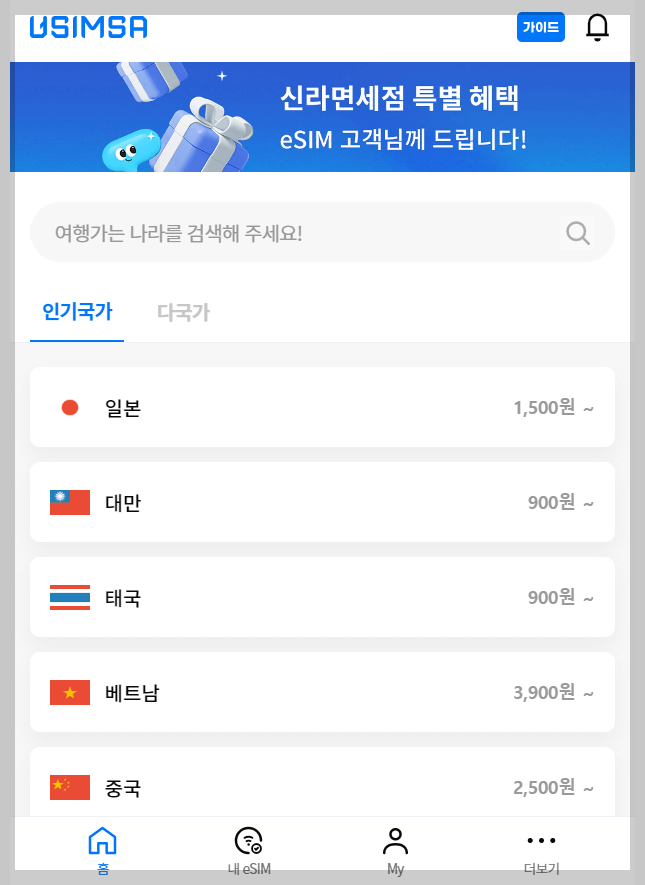
- Your data pool is metered globally; using data in one country reduces the same pool available in another.
- Coverage zones can be narrower than a country’s borders—check the plan’s map for regional exclusions.
- Automatic network switching prioritizes signal strength over cost, so you may briefly lose connectivity during a handoff.
- Manual network selection is often disabled on eSIMs to avoid errors, so trust the auto-switching logic.
What Are the Practical Benefits of Switching to a Digital Travel SIM?
A digital travel SIM removes the need to hunt for local SIM cards at arrivals, as your global eSIM activates instantly upon landing. You avoid roaming bills and fragile physical cards that can be lost or damaged mid-trip. Instead of juggling multiple numbers, you keep one eSIM profile that automatically connects to local networks across dozens of countries, ensuring you have data for maps, translation, and ride-hailing the moment you step off the plane. Unlike Wi-Fi hotspots, a global eSIM works in your pocket, so you can navigate between cities or answer urgent messages while moving. This means no more airport queues, no surprise charges, and no downtime—just immediate, predictable connectivity that keeps your travel seamless and your focus on the journey, not your data plan.
Why You Never Need to Hunt for a Local SIM Kiosk at the Airport Again
Landing abroad, you can walk straight past the chaotic queue of weary travelers fumbling for passports at the SIM kiosk, because your digital travel SIM is already live in your pocket. The moment your plane touches down, you connect automatically, skipping the haggle over inflated airport rates and the frantic search for a paperclip to pop your physical tray. No more deciphering confusing local plans under fluorescent lights while your jet lag screams. *The only line you’ll wait in is for coffee, not connectivity.*
Q: Why do I never need to hunt for a local airport SIM kiosk again?
A: Because a global eSIM activates before you even clear customs, delivering instant data with zero physical setup, zero passport registration, and zero stall-time—so your trip starts the second you step off the jetbridge, not after a 40-minute retail ordeal.
How One Profile Saves You Money on Roaming Fees Across Multiple Countries
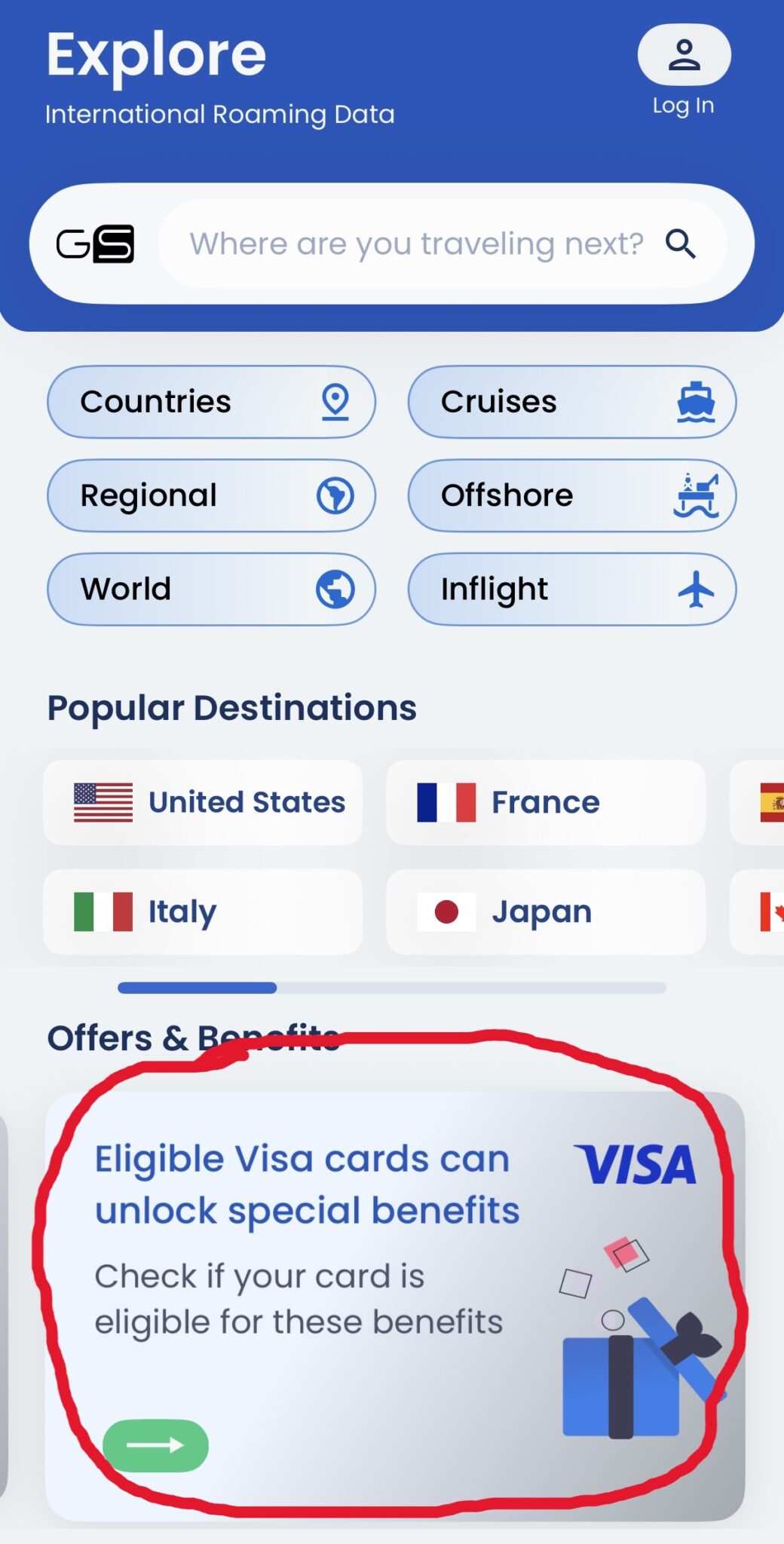
A single global eSIM profile eliminates the need to purchase separate local SIMs or daily roaming packages for each destination. Instead of paying your home carrier’s per-megabyte roaming rates—which can multiply quickly across a multi-country itinerary—you pre-load a data plan with regional or global coverage. This means you pay one flat, predictable rate for data used in all included countries, avoiding surprise bill spikes. Cost-effective cross-border data access is achieved because usage simply draws from your single bundle, regardless of which country you enter, so you never pay duplicate activation fees or premium per-country tariffs. The result is direct savings every time you cross a border without reconfiguring your device.
How Do You Set Up and Activate Your First Digital SIM Card?
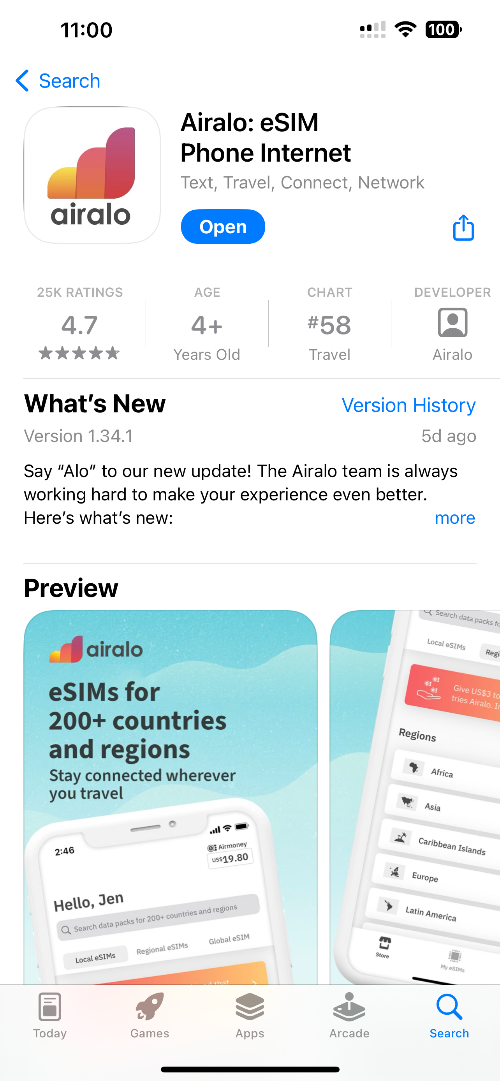
To set up your first global eSIM, begin by confirming your phone is carrier-unlocked and eSIM-compatible, then purchase a data plan from a provider like Airalo or Holafly. You’ll receive a QR code or a manual activation code via email; navigate to your device’s **cellular settings**, select “Add eSIM,” and scan the QR code. For manual entry, input the SM-DP+ address and activation code exactly as provided. After scanning, label the line (e.g., “Travel”) and set it as your default for cellular data. Next, ensure “Data Roaming” is toggled on for that line—global eSIMs require this to connect to local networks abroad. Finally, restart your phone once, then pull down the control center; when signal bars appear, you’re live.
The critical step is activating data roaming *before* you land, or the eSIM may not register on foreign towers.
You can install the eSIM anytime in advance, but activation only triggers when your device first connects to a supported network in your destination.
Step-by-Step Guide to Scanning a QR Code and Installing the Profile
To activate your global eSIM, begin by navigating to your device’s cellular settings, typically under “Mobile Data” or “Add Cellular Plan.” Choose “Scan QR Code” from the available options, ensuring your camera is unobstructed. Direct the viewfinder toward the QR code provided by your carrier—this code is often sent via email or displayed on your confirmation screen. After scanning, the system will prompt you to label the plan (e.g., “Travel”) and select a default line for data. Confirm installation; the profile downloads automatically, and you may need to restart your device. Step-by-step eSIM installation ends with toggling the new line on and verifying signal bars. If the scan fails, manually enter the SM-DP+ address and activation code from the carrier’s email instead. Once active, set the plan as your primary data source, and you are ready to roam.
Managing Multiple Data Plans on Your Phone: Switching Between Home and Travel Profiles
Once your first eSIM is live, juggling multiple data plans is where the real magic happens. Your phone’s settings let you keep your home carrier active for calls and texts while assigning your travel eSIM for data, or you can simply toggle your data line to “off” when you land to dodge roaming fees. Before departure, set your primary line as the default for voice and your travel profile for cellular data, then enable “Data Roaming” only on the latter. Upon return, switch back to your home profile as the data source—no physical card swapping, just a tap in your mobile network settings to change which line is active.
What Should You Look for When Choosing a Provider for Global Connectivity?
When your plane touches down in a foreign city, the last thing you want is a frantic hunt for a local SIM. For a truly global eSIM, prioritize providers who offer **instant, localized coverage**—meaning they automatically switch you to the strongest regional network, not just any partner. Look for a provider with a transparent data map, so you know exactly which countries are included before you pay. Check if their app allows live usage tracking to avoid bill shock on a layover. A critical test is customer support: choose one with 24/7 chat, because timezone math shouldn’t add stress.
The real value isn’t the gigabytes—it’s the seamlessness of hopping from a Tokyo metro to a Lisbon café without ever stopping to reconfigure your phone.
Finally, confirm the eSIM is instantly downloadable and supports tethering, so your laptop stays online for that unexpected video call.
Evaluating Coverage Maps, Data Speeds, and Fair Usage Policies
When evaluating a global eSIM, don’t just eyeball the coverage map—zoom into the regions you’ll actually visit and cross-check network partners, because “global” often means roaming agreements, not native service. Data speeds vary drastically by destination; a plan that promises 5G in one country may throttle you to 3G in another, so look for stated speed caps and latency benchmarks rather than flashy marketing. Scrutinize the fair usage policy, since unlimited plans typically slash speeds after a daily or weekly data threshold, making heavy streaming or hotspot tethering impractical. Always compare the fine print on deprioritization, which affects congestion during peak hours, and prioritize providers that display transparent, real-time speed tests for each country.
Q: How do I test coverage and speeds before buying a global eSIM?
A: Choose a provider offering a free trial or low-cost starter pack, then run speed tests at different times of day in your target city—this beats trusting any static coverage map.
Comparing Prepaid Data Bundles vs. Pay-As-You-Go Options for Frequent Flyers
For frequent flyers, prepaid data bundles on a global eSIM offer predictable costs and stable connectivity across multiple countries, ideal for short, intensive trips. Pay-as-you-go options, by contrast, charge per megabyte, suiting travelers with sporadic usage but risking bill shock during unexpected layovers. Evaluate your itinerary: if you hop between several destinations monthly, a regional bundle eliminates per-country top-ups. If you fly once quarterly, pay-as-you-go avoids wasted data. To choose correctly, follow this sequence:
- Estimate your typical weekly data consumption based on past flights.
- Compare the bundle’s per-GB price against the pay-as-you-go rate for your destination cluster.
- Check whether the bundle’s validity window covers your entire trip or only part of it.
- Factor in rollover policies—bundles rarely carry unused data to the next journey.
Ultimately, frequent flyers should prioritize bundles when their route crosses many borders, and reserve pay-as-you-go for single-country hops with minimal usage.
What Are the Common Pitfalls and Troubleshooting Tips for Digital Roaming?
The most common pitfall with global eSIM roaming is assuming automatic network selection works flawlessly; often, your device latches onto a weak or incompatible tower, causing data drops. Always manually select your destination’s primary network in your phone’s carrier settings after landing. Another frequent issue is activation lag—an eSIM profile may not activate until you disable your primary SIM or toggle airplane mode, so reboot once after arrival. If data fails entirely, verify that “Data Roaming” is toggled on specifically for the eSIM line, not just globally. Also, check that the eSIM’s APN settings match your provider’s documentation, as a mismatched APN silently blocks all traffic. Q: Why does my eSIM show “No Service” abroad? A: It usually means the profile isn’t downloaded or the line is disabled in settings—re-download the profile over Wi-Fi and ensure the eSIM line is active, then restart. For persistent issues, reinserting the eSIM (via QR re-scan) often resolves corrupted profile states.
Why Your Phone Shows “No Service” and How to Fix APN Settings Manually
A “No Service” indicator with a global eSIM often stems from incorrect APN settings rather than a network outage. When roaming, your device may fail to register if the APN lacks the proper identifier for the destination carrier. To fix this manually, navigate to Settings, then Cellular or Mobile Data, select your eSIM, and tap Access Point Names. Create a new APN, entering the exact details provided by your eSIM provider—typically an APN like “globaldata” with no username or password. After saving, restart your phone to force re-registration. This manual APN configuration resolves persistent connectivity issues and ensures the data connection activates correctly on foreign networks.
Battery Drain, Hotspot Tethering, and Other Real-World Usage Questions Answered
Analyzing real-world usage, battery drain with global eSIM typically stems from constant network scanning when coverage is weak, not the eSIM itself; disable auto-network selection and manually lock a carrier to curb this. For hotspot tethering, expect higher power consumption because your phone acts as a modem, and some eSIM profiles restrict tethering—check your plan’s data policy before relying on it. Additionally, background app refresh and push notifications over roaming can silently consume data; set them to manual. If a connection stalls, toggle airplane mode to re-register, but avoid frequent toggling as it worsens battery life. Digital roaming also suffers from DNS issues; assign a public DNS like Google’s via your phone’s settings.
Battery drain and tethering issues on global eSIM are manageably solved by locking networks, checking tethering allowances, and limiting background data.